
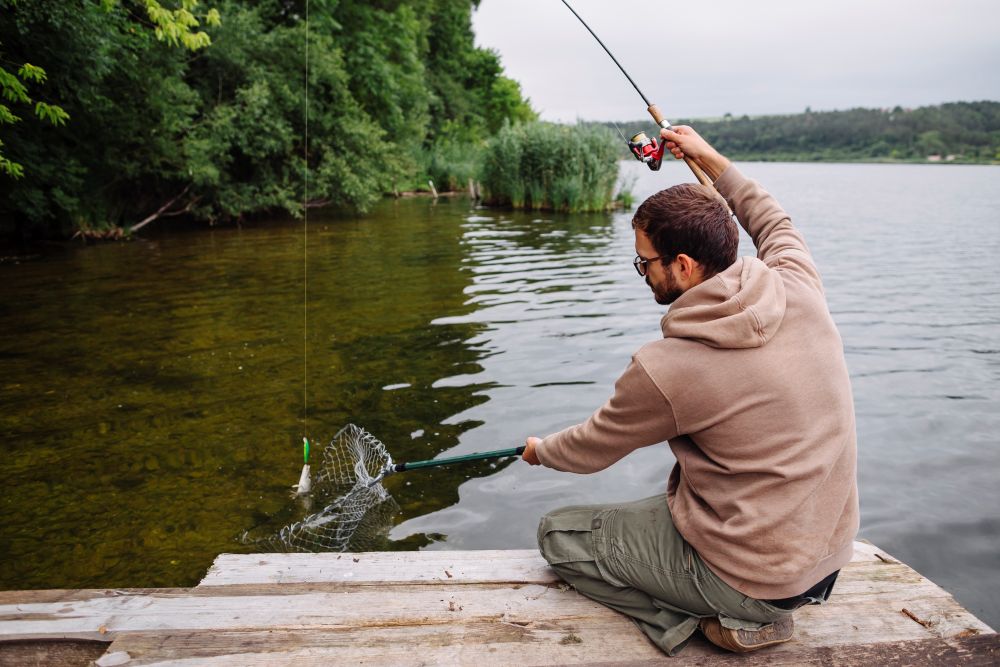
Timing plays a huge role in how successful your salmon fishing trip turns out to be. The time of day affects water temperature, light conditions, and how actively salmon feed. Staff at any leading fishing lodge will tell you that understanding these patterns can make or break your catch. This post covers the best times to fish throughout the day, from early morning to nighttime, and what makes salmon more active at each time. Knowing when to cast your line gives you a real advantage on the water.
Early Morning Fishing
When you head out for early morning fishing, think about where salmon are most likely to be based on water temperature and feeding habits. Salmon tend to be more active in cooler waters and often move toward shallower areas to feed during the early hours. This behavior comes from their instinct to hunt baitfish and other prey near the shallows. By understanding these patterns, anglers can position themselves in spots where salmon are actively feeding. The low light of early morning also makes it easier for salmon to ambush their prey, which makes this a solid time to fish.
Mid-Morning Bite Window
The mid-morning bite window is a prime period when salmon activity picks up, and feeding becomes more aggressive. As the sun rises, it triggers increased activity among aquatic insects, which draws salmon out to feed. This usually leads to bolder strikes as they take advantage of the increased food supply. The mid-morning window typically runs from about 9 a.m. to 11 a.m., though this shifts a bit depending on water temperature and weather. Anglers should present their bait or lures at different depths to match how salmon move through the water column during this time. Getting a feel for salmon behavior in this window can seriously improve your results.
Afternoon Feeding Frenzy
During the afternoon feeding frenzy, salmon ramp up their activity as they chase down prey. This push comes from a mix of changing light and warming water temperatures. Salmon actively search for food during this period to build up their energy reserves. The afternoon feeding frenzy is a key time for anglers looking to capitalize on increased salmon movement.
- Factors that contribute to the afternoon feeding frenzy:
- Increasing light intensity
- Rising water temperatures
- Abundance of prey species
Understanding these factors helps anglers fine-tune their approach during this peak activity window and boosts the odds of landing a good catch.
Evening Prime Time
As daylight fades and temperatures drop, salmon shift into their evening prime-time feeding mode, with a sharper focus on hunting. This period kicks in closer to sunset, when salmon become more active in their pursuit of prey. The dimming light triggers their feeding instincts as they use the cover of dusk to hunt more effectively. This behavioral shift occurs due to lower light levels, changes in water temperature, and changes in prey movement. Anglers targeting salmon during evening prime time should adjust their techniques using lures or baits that mimic the movement of common prey species. Understanding how salmon feed during this window can seriously boost your chances of a successful catch.
Night Fishing Tactics
Night fishing for salmon means adjusting your approach to match how these fish behave in low light. Salmon become more sensitive to water vibrations and movements after dark. To improve your odds, use lures that create strong vibrations to attract salmon in the darkness. Scented baits also work well since salmon rely heavily on their sense of smell to find prey at night. Adjusting your fishing depth to target salmon at specific levels in the water column can also help increase your catch rates.
Factors Influencing Salmon Activity
Understanding what drives salmon activity helps you fish smarter and supports conservation efforts. Several factors determine when and where salmon are most active. Water temperature matters a lot because it affects salmon metabolism and influences when they feed. The availability of food sources, such as baitfish and aquatic insects, also shapes salmon’s activity patterns. Environmental conditions, such as water clarity and flow rate, affect how actively salmon feed and move through a body of water. Knowing these factors helps anglers predict salmon behavior and adjust their strategies, leading to better fishing results and supporting healthy salmon populations.
Related Topics: